Gulf-to-Table: What "Fresh Catch" Really Means on 30A
Every restaurant on 30A claims "fresh Gulf seafood." It's on the menu, it's in the Instagram captions, it's part of the promise.
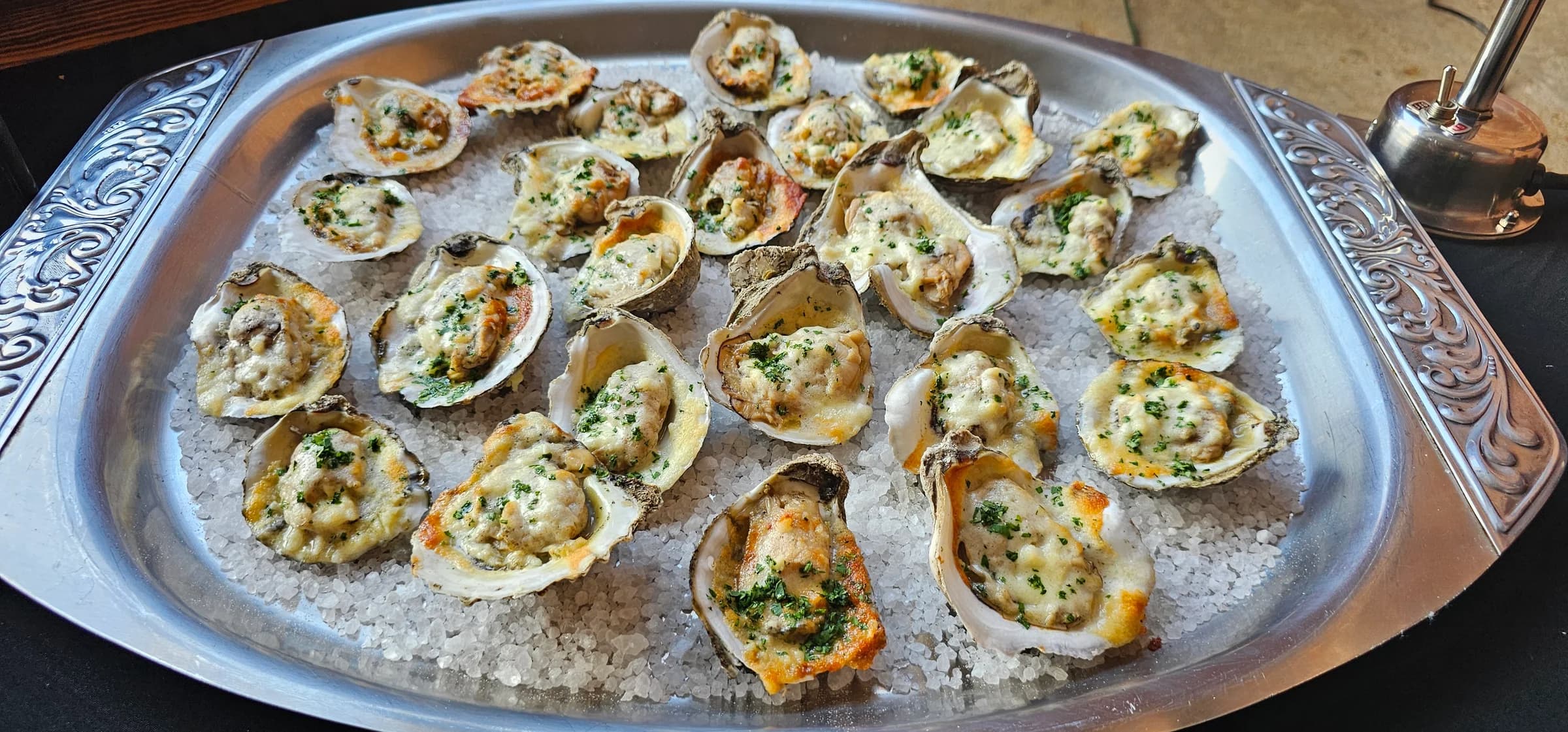
But what does that actually mean? And how can you tell the difference between seafood that was caught this morning and seafood that's been sitting in a freezer for three months?
Here's what Gulf-to-table really looks like — and why it matters for your vacation.
The Gulf Is Right Here
30A sits directly on the Gulf of Mexico. Destin, Panama City, and Apalachicola — three of Florida's most active fishing ports — are all within an hour or two's drive.
When a local fishing boat pulls Gulf snapper, grouper, or cobia off the line, that catch can be in a kitchen within hours. Not days. Not weeks. Hours.
That proximity is rare. Most coastal restaurants, even ones near the water, source seafood through distributors who aggregate inventory from multiple regions. The "local catch" on the menu may have been caught locally, but it also may have been frozen, transported, thawed, and plated days or weeks after it left the water.
True Gulf-to-table means the timeline from dock to plate is measured in the same day, sometimes the same morning. That immediacy changes everything about how the seafood tastes.
What "Fresh" Actually Means
The term "fresh" in the seafood industry is more nuanced than most people realize.
Fresh vs. Previously Frozen
Both can be high quality. Flash-freezing seafood on the boat immediately after it's caught preserves texture and flavor remarkably well. In some cases, properly frozen seafood is better than "fresh" seafood that's been sitting on ice for five days.
But truly fresh — never frozen, pulled from the Gulf within 48 hours — is a different experience. The texture is firmer. The flavor is cleaner. There's a sweetness to Gulf shrimp that fades the longer it sits, even on ice.
How Most Restaurants Source Seafood
The majority of restaurants, even good ones, order seafood from distributors. Those distributors pull from a mix of fresh and frozen inventory depending on availability and cost. The result is consistent, reliable, and usually good — but it's not the same as sourcing directly from local fishermen.
There's nothing wrong with this model. It's how the industry works, and it allows restaurants to maintain consistent menus year-round. But it does mean that "fresh Gulf seafood" is often more marketing language than a description of the supply chain.
How Marrow Sources Gulf Seafood
We source fresh Gulf seafood through relationships with local suppliers who work directly with the boats.
When Gulf shrimp, grouper, or tripletail are in season and available, we build them into our menus. When they're not, we don't force it — we adjust. Our approach is simple: if the Gulf is producing something exceptional, we feature it. If it's not, we look elsewhere or lean into other ingredients.
That flexibility is part of what Gulf-to-table means. It's not about putting "Gulf seafood" on every menu regardless of quality. It's about using what's available when it's at its best.
What's in Season
The Gulf's catch changes throughout the year. Some species are available year-round. Others have seasons dictated by regulations, weather, and natural cycles.
Year-Round Gulf Catch
Gulf shrimp, grouper, cobia, and snapper are relatively consistent. Availability fluctuates, but these are staples of the Gulf's fishing industry and tend to show up on menus throughout the year.
Seasonal Highlights
Triggerfish, wahoo, and certain varieties of snapper have defined seasons. When they're in, they're exceptional. When they're out, we wait until next year.
We don't publish a fixed menu that promises the same dishes every day. Instead, we work with what's available and build menus around the best ingredients we can source at the time. That's what Gulf-to-table requires.
Why the Difference Matters
If you've only ever had frozen Gulf shrimp, the difference between that and shrimp pulled from the Gulf that morning is startling.
Texture
Fresh Gulf shrimp have a snap to them. They're firm, not mushy. The longer shrimp sit, even on ice, the more that texture degrades. Frozen shrimp can be good, but they'll never have the same bite as shrimp that were swimming yesterday.
Flavor
Fresh Gulf seafood has a clean, slightly sweet flavor. It doesn't taste fishy — that's actually a sign of age. The closer you are to the source, the more you taste the Gulf itself: salt, brine, a hint of the ocean.
Connection to Place
Part of vacationing on 30A is eating what comes from these waters. When you order Gulf shrimp, you're eating something that was caught within a few miles of where you're sitting. That connection to place matters. It's part of the experience, part of the memory.
Preparations That Honor the Quality
When you have truly fresh seafood, the preparation should be simple.
At Marrow, we don't bury Gulf seafood under heavy sauces or aggressive seasonings. The goal is to let the seafood speak for itself, with just enough technique to elevate it.
Gulf Shrimp
Seared with butter, garlic, and a squeeze of lemon. Grilled with a light char. Tossed into a delicate pasta with white wine and fresh herbs. The shrimp are the star — everything else is supporting cast.
Grouper and Snapper
Pan-roasted with a crisp skin, served over seasonal vegetables with a light beurre blanc. Or grilled simply with olive oil, salt, and citrus. These fish don't need much. They're flavorful on their own.
Seasonal Catch
When triggerfish or wahoo are in, we build dishes around them. The preparation changes based on the fish, but the philosophy stays the same: respect the ingredient, don't overpower it.
What to Ask Your Private Chef
If Gulf-to-table matters to you, here are the questions worth asking before you book:
Where is the seafood sourced?
Are they working with local suppliers who source directly from boats, or are they ordering from a national distributor?
What's in season right now?
A chef who knows what's currently being pulled from the Gulf is a chef who's paying attention. If they can't answer this, they're probably not sourcing locally.
How is the seafood prepared?
Simple preparations are usually a good sign. If the seafood is smothered in sauce or fried beyond recognition, the chef may not be confident in the quality of what they're starting with.
Can the menu adapt to daily availability?
If the catch is exceptional on the day of your event, can the chef adjust the menu to feature it? Flexibility is a sign of a Gulf-to-table approach.
What Gulf-to-Table Means for Your Vacation
Eating truly fresh Gulf seafood is part of what makes 30A special.
You can get good seafood in a lot of places. But eating Gulf shrimp that were pulled from the water that morning, prepared by a chef who sources them from local boats, in the privacy of your vacation rental while the Gulf is visible out the window — that's specific to here.
It's one of those details that turns a good meal into a memorable one. It's the kind of thing your guests will talk about the next day, the kind of thing that makes the vacation feel complete.
And it's exactly what we mean when we say Gulf-to-table.
Experience It Yourself
Our menus feature Gulf seafood when it's at its best. Explore our menu packages to see what we're cooking right now, or reach out to plan your meal.
We'll bring the Gulf to your table.
---
Marrow Private Chefs — serving 30A, Destin, and the Emerald Coast since 2018.
Want to talk through what week works for your family?
Reach out — we respond within hours.
More from the journal
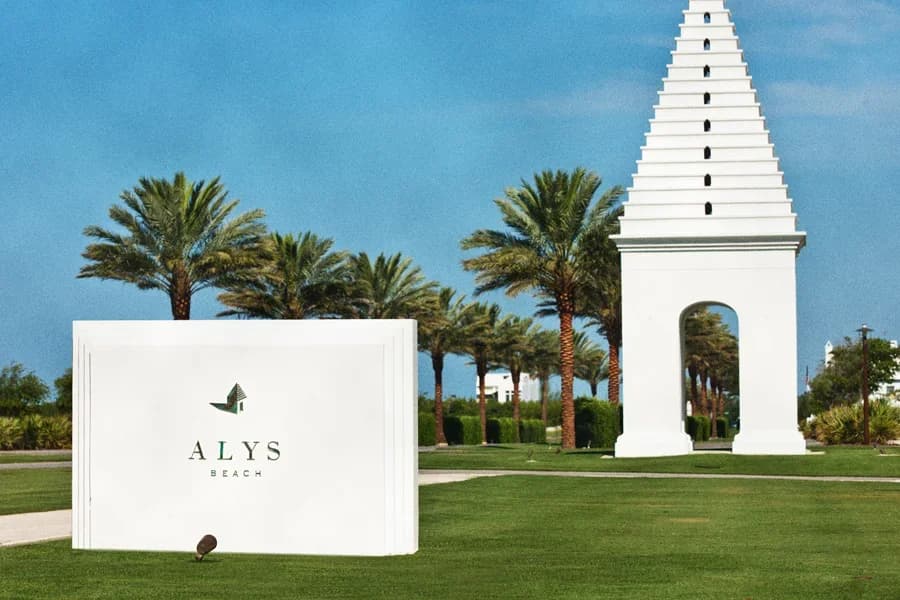
Private Chef Service in Alys Beach: Dining to Match the Architecture
Private chef service in Alys Beach vacation rentals. Elevated dining for the most architecturally striking community on 30A—where design meets Gulf Coast cuisine.
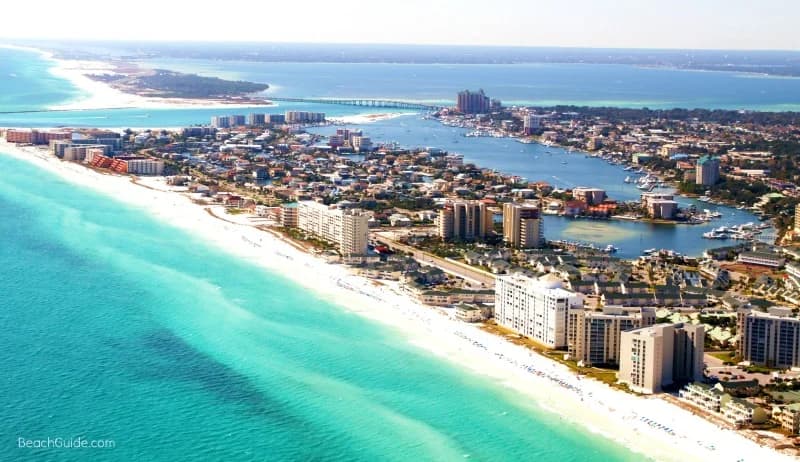
Private Chef Service in Destin: From Harbor to High-Rise
The complete guide to private chef service in Destin. Beach houses, luxury condos, and harbor-side homes—discover restaurant-level dining in your Destin rental.
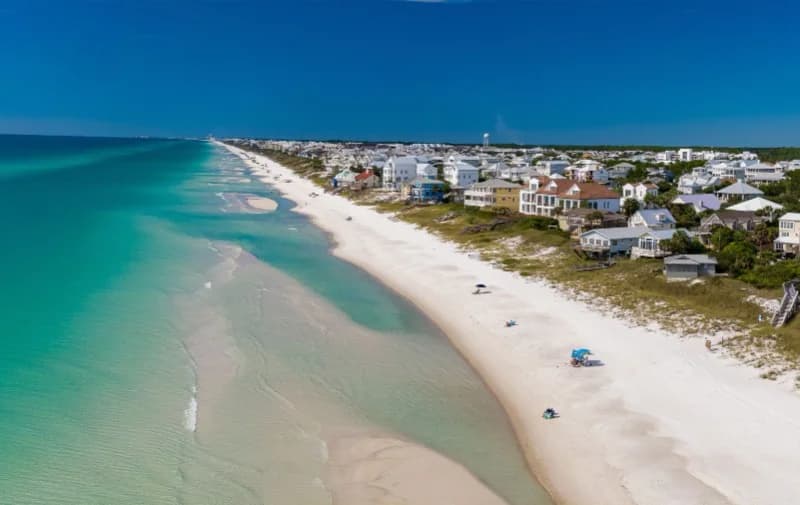
Private Chef Service in Inlet Beach: Where 30A Begins
Private chef service in Inlet Beach vacation rentals. At the eastern edge of 30A, bring elevated dining to your beach house, cottage, or luxury rental.