Jeremiah Tower's New American Cuisine: Regional Ingredients, Classical Technique
Jeremiah Tower didn't follow the expected path. He trained at Harvard, not culinary school. He learned by doing rather than through formal apprenticeship. He challenged conventions about what American cuisine could be. His career showed that unconventional paths can lead to culinary excellence when combined with genuine commitment and willingness to learn.
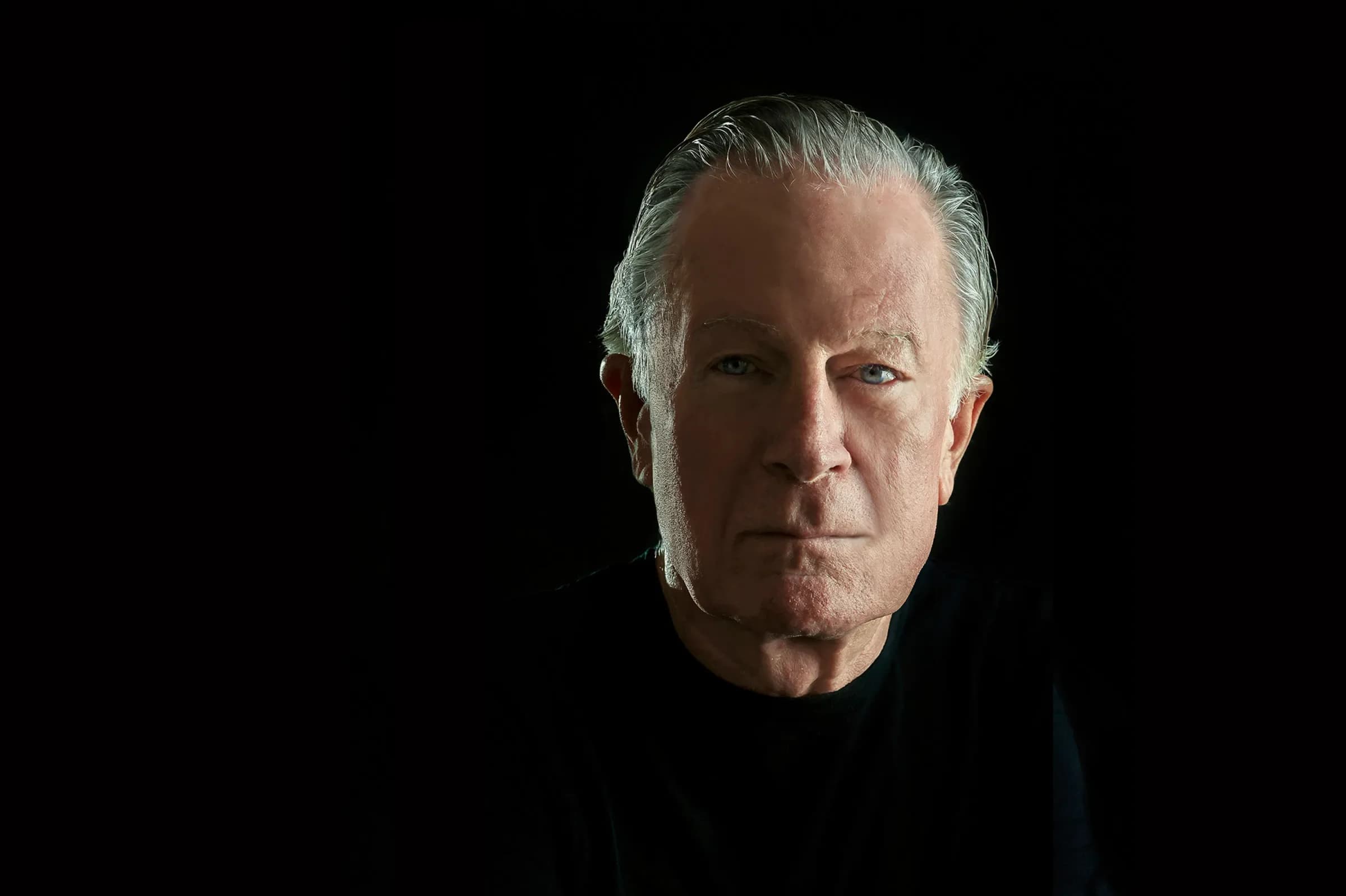
Tower helped launch California cuisine at Chez Panisse before opening Stars in San Francisco. His approach combined classical technique with American ingredients and sensibility. The food felt both refined and approachable, sophisticated and unpretentious.
For anyone pursuing professional cooking outside traditional paths, Tower's career offers validation: excellence comes from dedication and continuous learning, not just from following established routes.
The Unconventional Path
Tower entered professional cooking without culinary school training. He learned by reading cookbooks obsessively, experimenting constantly, and working alongside people who had mastered techniques he needed to understand.
This self-directed education required enormous discipline. Without structured training, he had to identify what mattered and pursue it systematically. The learning curve was steep, but the commitment was genuine.
This shows that professional cooking has multiple paths. Formal training is one route. Dedicated self-education combined with real kitchen experience is another. What matters is developing genuine competence through whatever means work.
None of Marrow's three chef-owners attended culinary school. We learned working professional kitchens on the Gulf Coast, absorbing technique through immersion and repetition. Different path than Tower's, but similar principle: genuine learning matters more than credential source.
Challenging Assumptions
Tower questioned assumptions about what American cuisine could be. Before California cuisine, fine dining in America meant French food or imitation European cooking. Tower helped prove that American ingredients and traditions could support sophisticated cooking.
This required confidence to challenge established norms. The prevailing wisdom said serious cooking meant French technique applied to French traditions. Tower proved otherwise: serious cooking meant proper technique applied to whatever ingredients deserved respect.
This lesson applies broadly: excellence doesn't require imitating established models. It requires understanding principles well enough to apply them in new contexts.
The Importance of Reading
Tower's education relied heavily on reading classic cookbooks and understanding culinary history. He studied Escoffier, Larousse Gastronomique, and other foundational texts to understand techniques and principles.
This shows that culinary knowledge can be acquired through study combined with practice. You need both: reading provides conceptual framework, practice develops physical skill.
Professional cooking benefits from both approaches. Understanding history and theory creates context for technique. Hands-on practice makes knowledge operational.
Where California Cuisine Started
At Chez Panisse, Tower helped establish California cuisine: local ingredients prepared with refined technique, emphasis on seasonality and quality, presentations that felt elegant but approachable.
This combination proved revolutionary. The food was sophisticated without being pretentious. The atmosphere was refined without being stuffy. The experience felt American while maintaining professional standards.
This balance remains relevant for modern American cooking. Professional technique doesn't require European formality. Quality ingredients don't require elaborate presentations. Excellence adapts to context.
The Solo Vision
After Chez Panisse, Tower opened Stars in San Francisco, where he had complete creative control. This allowed him to fully develop his vision: refined American cooking in vibrant, accessible atmosphere.
Stars became legendary for food that felt both special and unpretentious, service that was professional without being stiff, atmosphere that combined elegance with energy.
This shows what's possible when clear vision guides execution. Tower knew exactly what experience he wanted to create and made every decision serve that vision.
Learning Through Doing
Tower's education emphasized practical experience over theoretical knowledge. He learned by attempting things, making mistakes, adjusting based on outcomes, and trying again.
This experiential learning develops different skills than formal training. You learn to troubleshoot in real time, adapt to unexpected conditions, and trust instincts developed through trial and error.
Both approaches have value. Formal training provides systematic foundation. Experiential learning develops practical problem-solving. The best education combines both.
After 2,500 private chef events, we've benefited from similar experiential learning. Each event teaches lessons about timing, adaptation, and execution under real conditions.
The American Sensibility
Tower's cooking felt distinctly American: confident, innovative, unbound by excessive tradition, focused on quality and satisfaction rather than adhering to rigid rules.
This doesn't mean casual or unrefined. It means professional standards applied with American directness rather than European formality. The food impresses through quality and flavor, not through elaborate ceremony.
For private chef service in American homes, this sensibility works perfectly. We bring professional execution to relaxed settings. High standards without pretension. Quality without formality.
Why Confidence Matters
Tower's unconventional path required enormous confidence. He was challenging established norms, proposing new approaches, and competing against classically trained chefs with established credentials.
This confidence came from genuine competence developed through dedicated learning. He'd studied the techniques, practiced the skills, and proven the approach worked. The confidence wasn't baseless—it was earned.
This shows that non-traditional paths require even more commitment than traditional ones. You need to prove competence without credential advantage. This requires both skill and confidence in your abilities.
The Role of Creativity
Tower's best work combined technical competence with creative vision. He understood classical technique well enough to modify it purposefully. He knew traditions well enough to innovate within them intelligently.
This is how creativity works in professional cooking: you need solid foundation before meaningful innovation becomes possible. Without technical competence, creativity becomes guesswork. With proper foundation, creativity creates genuine value.
Our pork belly s'more exemplifies this approach: creative concept grounded in sound technique. The innovation works because fundamentals are solid.
Learning from Multiple Sources
Tower's education drew from multiple sources: cookbooks, restaurant experiences, mentors, personal experimentation. This diverse learning created versatile understanding.
This approach remains valuable. Professional cooking benefits from exposure to multiple techniques, cuisines, and approaches. The synthesis creates adaptable competence.
We've learned from working various kitchens across the Gulf Coast, studying techniques from multiple traditions, and refining approaches through thousands of events. The diverse learning creates flexible foundation.
Why It Still Matters
Tower's career shows that American cooking can achieve excellence without imitating European models. Professional standards apply universally, but their expression adapts to cultural context.
This lesson continues influencing American cuisine. The best contemporary American cooking combines technical excellence with distinctly American sensibility: direct, innovative, focused on quality and satisfaction.
For private chef service, this means we're not trying to replicate fine dining formality. We're bringing professional quality to relaxed American settings.
The Balance Tower Found
Tower's greatest achievement might be the balance between refined and approachable. His food was sophisticated without being pretentious, professional without being stiff, elegant without being formal.
This balance creates ideal conditions for genuine hospitality. Guests feel impressed but comfortable, cared for but not intimidated, experiencing excellence without feeling judged.
This is exactly the balance private chef service requires. Professional execution in intimate settings. High standards delivered with genuine warmth.
What Non-Traditional Paths Require
Tower's career shows that non-traditional paths to culinary excellence require:
Genuine commitment to continuous learning
Systematic study of technique and history
Extensive practice developing physical skills
Willingness to experiment and learn from failures
Confidence earned through proven competence
These requirements are significant. Non-traditional paths aren't shortcuts. They're different routes requiring similar dedication.
The Modern Application
Tower's lessons remain relevant for anyone pursuing professional cooking outside traditional training paths. Excellence is achievable through dedicated self-education combined with real experience, but it requires genuine commitment and systematic approach.
This applies to our experience. We didn't follow traditional culinary school paths, but we committed to learning professional technique through immersive kitchen work. The path was different. The standards were identical.
What It Means for Excellence
Tower proved that excellence doesn't require specific credentials or traditional paths. It requires genuine competence developed through whatever educational approach works for you.
This democratizes professional cooking. You don't need particular background or formal training. You need commitment to learning, willingness to work hard, and dedication to developing genuine skill.
The path matters less than the outcome. Professional standards remain constant regardless of how you learned to meet them.
Why American Cuisine Matters
Tower helped prove that American ingredients and traditions deserve the same respect as European culinary heritage. This validation changed American cooking culture permanently.
For Gulf Coast private chef service, this means treating regional ingredients—Gulf seafood, Southern traditions, local flavors—with the same professional respect as any cuisine anywhere.
The technique is universal. The ingredients are regional. The combination creates cuisine that feels both professional and distinctly American.
The Standard We Maintain
Tower showed that unconventional paths can lead to professional excellence when combined with genuine commitment and continuous learning. The route varies. The standards remain constant.
This is our experience across 2,500 events. We learned through non-traditional paths but maintained professional standards throughout. The commitment to excellence matters more than the educational route.
---
Jeremiah Tower proved that culinary excellence doesn't require following traditional paths. Dedicated learning, genuine commitment, and willingness to challenge conventions can create professional competence when combined with systematic practice.
His career validated American cuisine as worthy of professional respect and proved that sophistication doesn't require European formality.
At Marrow, we bring this same commitment to every private chef event on 30A. Professional standards developed through dedicated learning. American sensibility applied to Gulf Coast cuisine. Excellence achieved through non-traditional paths but traditional commitment.
Ready to experience American cuisine executed with professional skill? Explore our menus or reach out to plan your dinner.
---
Marrow Private Chefs — serving 30A, Destin, and the Emerald Coast since 2018.
Want to talk through what week works for your family?
Reach out — we respond within hours.
More from the journal
Alain Ducasse's Service Philosophy: Hospitality Meets Haute Cuisine
Alain Ducasse's approach to service elegance and hospitality shapes how modern private chefs deliver haute cuisine in home settings.
Marco Pierre White's Raw Honesty: Respecting the Ingredient Above All
Marco Pierre White, the youngest 3-Michelin-star chef, taught us to respect ingredients above all. His philosophy in modern private chef service.
Anthony Bourdain's Kitchen Confidential: The Reality Behind Professional Cooking
Anthony Bourdain revealed what home cooks don't see. The reality of professional cooking and why experience matters in private chef service.