The Ingredients We'll Never Compromise On
Quality ingredients are the foundation of every meal we serve. Some ingredients are negotiable. Some aren't. Here are the ingredients we'll never compromise on — and why they matter more than technique or presentation.
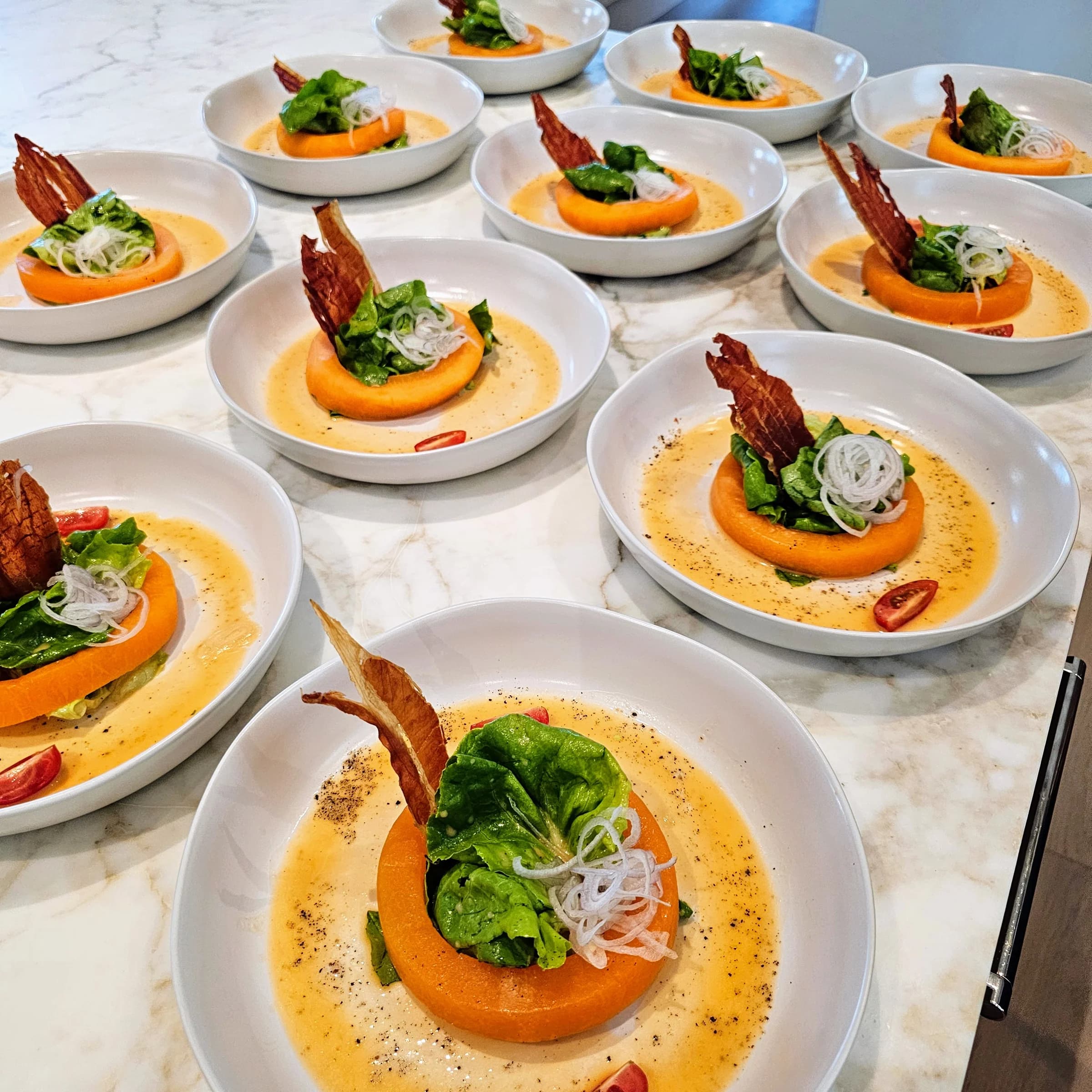
Gulf Seafood: Fresh, Local, Never Frozen
Gulf seafood drives our menus. Snapper, cobia, triggerfish, wahoo, grouper, scallops — these are the proteins that define coastal Florida cooking. We source them fresh, never frozen. Why it matters: Flavor: Fresh Gulf seafood tastes different from frozen. The texture is firmer. The flavor is cleaner. You can taste the ocean. Proximity: The seafood we serve is caught within miles of where you're staying. It doesn't get more local than that. Seasonality: We adapt menus based on what's in season. If triggerfish isn't available, we pivot to what's being caught that week. How we source it: We work with licensed commercial fishermen and reputable seafood markets throughout South Walton. Seafood is delivered fresh, inspected for quality, and stored at safe temperatures until service. If we can't source fresh Gulf seafood for a specific species, we don't serve it. Frozen is not an option.
Proteins: USDA-Inspected, High-Quality Cuts
Beef, pork, chicken, lamb — we source proteins from USDA-inspected facilities that meet food safety standards. What we prioritize: Prime and Choice beef: For steaks and filets, we use USDA Prime or Choice grade beef. These grades have better marbling, which means better flavor and tenderness. Heritage pork: When possible, we source heritage-breed pork (Berkshire, Duroc) for dishes like pork belly or braised pork. The fat content and flavor are superior to commodity pork. Free-range chicken: Chicken raised without antibiotics and with access to outdoor space. The meat is denser and more flavorful. Grass-fed lamb: For lamb dishes, we source grass-fed cuts when available. The flavor is richer and the meat is leaner. Why it matters: Proteins are the centerpiece of most meals. If the steak or chicken isn't excellent, the dish fails. We won't serve mediocre proteins just to hit a price point.
Produce: Seasonal, Inspected, Fresh
Vegetables, fruits, herbs — we buy produce based on what's in season and what passes inspection. What we look for: Seasonal availability: Tomatoes in summer, butternut squash in fall, asparagus in spring. We build menus around what's at peak quality. Freshness: Produce is inspected when it arrives. Wilted greens, bruised fruit, or anything past its prime doesn't make it to your plate. Local when possible: South Walton has farmers markets and local growers. When it makes sense, we source locally. But local doesn't automatically mean better — we prioritize quality over proximity. Why it matters: Fresh produce tastes better and holds up during cooking. Wilted spinach or mealy tomatoes ruin dishes no matter how well they're prepared.
Dairy: Real Butter, Quality Cheese, Fresh Cream
What we use: Real butter: European-style butter (higher fat content) for sauces and finishing. Unsalted butter for baking and controlled seasoning. Quality cheese: Parmigiano-Reggiano, not "parmesan." Aged Gruyère, not generic Swiss. Cheese matters, and we source it from suppliers who specialize in quality dairy. Fresh cream: Heavy cream for sauces, half-and-half for custards, whole milk for baking. No substitutes. Why it matters: Butter, cheese, and cream are foundational to French and Italian cooking. Using low-quality dairy products compromises flavor in ways you can't fix with technique.
Oils and Fats: The Right Tool for the Job
We use different oils and fats for different purposes. Olive oil for finishing. Canola oil for high-heat cooking. Duck fat for roasting potatoes. What we stock: Extra-virgin olive oil: For dressings, finishing dishes, and low-heat sautéing. We use quality EVOO, not cheap blends. Neutral oils (canola, grapeseed): For high-heat cooking where you don't want added flavor. Clarified butter and ghee: For cooking at higher temperatures without burning. Specialty fats (duck fat, bacon fat): For dishes where rendered fat adds flavor (duck fat potatoes, bacon-braised greens). Why it matters: The wrong oil can ruin a dish. Olive oil burns at high heat. Canola oil tastes bland as a finishing oil. Using the right fat for each application is basic technique, but it requires having the right ingredients on hand.
Salt: Kosher, Flake, and Finishing Salts
We use three types of salt: kosher salt for cooking, flake salt for finishing, and specialty salts for specific dishes. Why it matters: Salt isn't just "salt." Kosher salt dissolves evenly and seasons predictably during cooking. Flake salt (Maldon, Jacobsen) provides texture and a clean, bright finish. Specialty salts (smoked salt, fleur de sel) add nuance. Under-salted food is bland. Over-salted food is ruined. Using the right salt at the right stage ensures proper seasoning.
Spices and Aromatics: Fresh and Whole When Possible
What we prioritize: Whole spices: Peppercorns, coriander seeds, cumin seeds — we grind them as needed. Fresh-ground spices are more potent and aromatic. Fresh herbs: Basil, cilantro, parsley, thyme — we use fresh herbs whenever possible. Dried herbs have their place (oregano, bay leaves), but fresh is preferred. Quality aromatics: Garlic, shallots, ginger, lemongrass — we buy these fresh and use them generously. Why it matters: Spices and herbs are what make food interesting. Bland, stale spices result in bland food. Fresh spices and herbs elevate every dish.
Stocks and Broths: Made from Scratch
We don't use store-bought stock or bouillon cubes. We make stocks from scratch in our commercial kitchen. What we make: Chicken stock: Roasted chicken bones, mirepoix, herbs, simmered for hours. Beef stock: Beef bones, vegetables, tomato paste, roasted and simmered. Seafood stock: Shrimp shells, fish bones, aromatics, white wine. Vegetable stock: Onions, carrots, celery, herbs, simmered for depth. Why it matters: Stock is the backbone of sauces, soups, and braises. Store-bought stock tastes flat and salty. Homemade stock has body, depth, and clarity. It's the difference between a sauce that coats a spoon and one that runs off like water.
What We DON'T Compromise On (Even When It's Expensive)
Certain ingredients cost more, but we won't substitute cheaper alternatives. Examples: Parmigiano-Reggiano vs. generic parmesan: Real Parmigiano-Reggiano is aged 24+ months and has a complex, nutty flavor. Generic "parmesan" tastes like sawdust. San Marzano tomatoes vs. canned diced tomatoes: San Marzano tomatoes (from Italy) are sweeter and less acidic. They make better sauces. Real vanilla extract vs. imitation vanilla: Vanilla is expensive. Imitation vanilla tastes like chemicals. We use real vanilla. Fresh-squeezed lemon juice vs. bottled lemon juice: Fresh lemon juice is bright and acidic. Bottled lemon juice tastes metallic. These differences add up. Individually, they're small. Together, they're the difference between a good meal and an exceptional one.
What We Will Substitute (When It Makes Sense)
Not every ingredient is sacred. Some substitutions work fine. Examples: Vegetable swaps: If Brussels sprouts aren't available, we'll use asparagus or green beans. The dish adapts. Protein swaps: If you prefer chicken over beef, we adjust. The cooking technique changes, but the quality doesn't. Herb swaps: If fresh tarragon isn't available, we'll use chervil or parsley. The flavor profile shifts slightly, but the dish still works. We're pragmatic. If a substitution maintains quality, we make it. If it compromises the dish, we don't.
Why Ingredient Quality Matters More Than Technique
A talented chef can't fix bad ingredients. You can't rescue flavorless tomatoes with perfect knife skills. You can't make frozen fish taste like fresh Gulf fresh fish with better plating. Ingredient quality sets the ceiling for what's possible. Great ingredients cooked simply will taste better than mediocre ingredients cooked with advanced technique. That's why we prioritize sourcing over complexity. This doesn't mean we ignore technique. It means we start with the best possible ingredients and apply technique to enhance them, not mask their flaws.
How This Affects Pricing
Quality ingredients cost more. Fresh Gulf snapper costs more than frozen tilapia. Prime beef costs more than Select. Real Parmigiano-Reggiano costs more than pre-shredded cheese. Our pricing reflects these choices. We're not the cheapest private chef service on the Emerald Coast, and we don't try to be. Our goal is to provide the best experience, and that starts with the best ingredients. Guests notice. They notice the difference between fresh and frozen seafood. They notice real butter vs. margarine. They notice scratch-made stock vs. store-bought. Quality ingredients aren't a luxury. They're the baseline for what we serve.
What This Means for Your Event
When you book Marrow, you're not just paying for chefs to cook. You're paying for sourcing, ingredient quality, and the standards we hold ourselves to. What you can expect: Fresh Gulf seafood, never frozen USDA-inspected, high-quality proteins Seasonal produce, inspected for freshness Real butter, quality cheese, fresh dairy Scratch-made stocks and sauces Whole spices ground fresh No shortcuts, no substitutions that compromise quality These standards are non-negotiable. They're why we've served 2,500+ events with zero food safety incidents and why guests consistently say Marrow delivers the best meal of their vacation.
Planning Your Event
The ingredients we use are the foundation of every meal we serve. Quality starts with sourcing, and we never compromise. Explore our menu options to see what we create, or learn more about our approach to private chef service on the Emerald Coast. Reserve your experience and taste the difference quality ingredients make.
---
Marrow Private Chefs — serving 30A, Destin, and the Emerald Coast since 2018.
Want to talk through what week works for your family?
Reach out — we respond within hours.
More from the journal

Building the Chefs' Bar: A Look Inside Marrow's Kitchen
Inside Marrow's commercial kitchen in Santa Rosa Beach. How three chefs built their own facility from scratch, cutting concrete and constructing the Chefs' Bar.
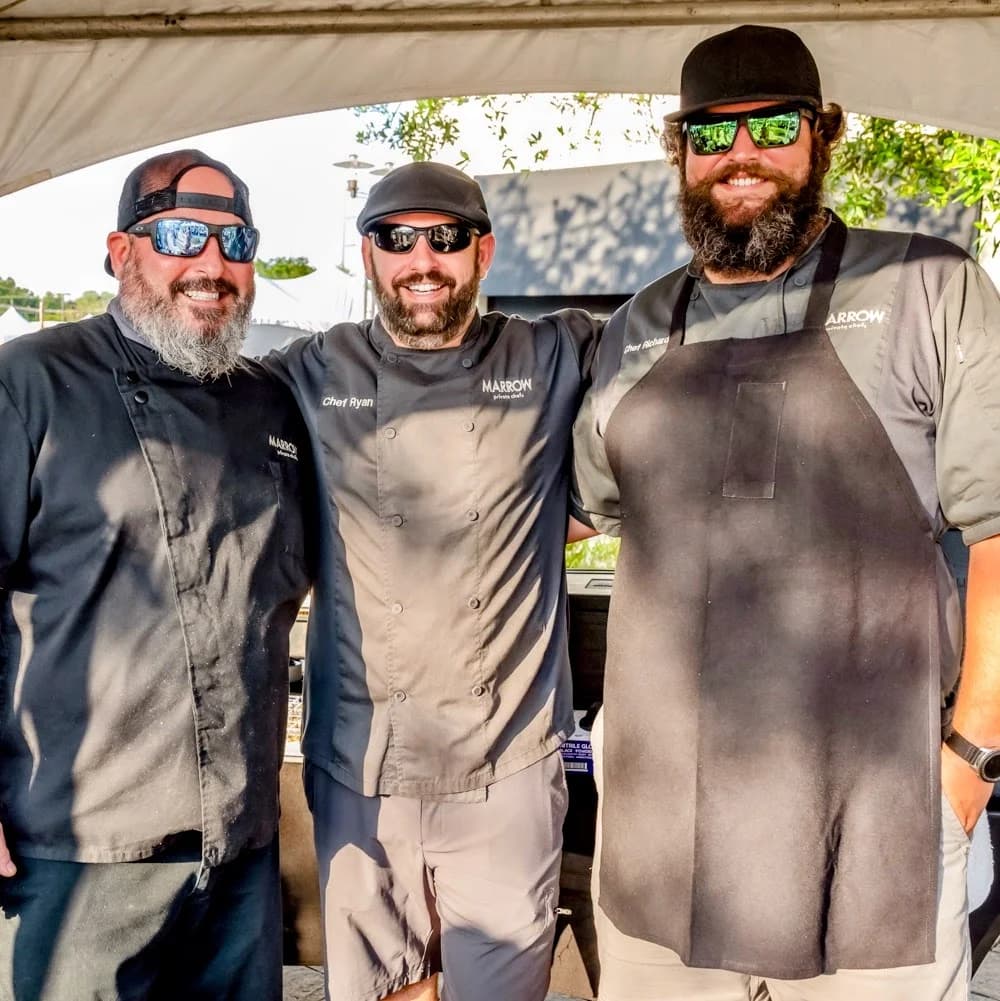
The Marrow Origin Story: How Three Chefs Became Business Partners
How Richard McCord, Ryan McNay, and Chris Mongogna built Marrow from scratch. Three chefs, no culinary school, 2,500+ events served since 2018.
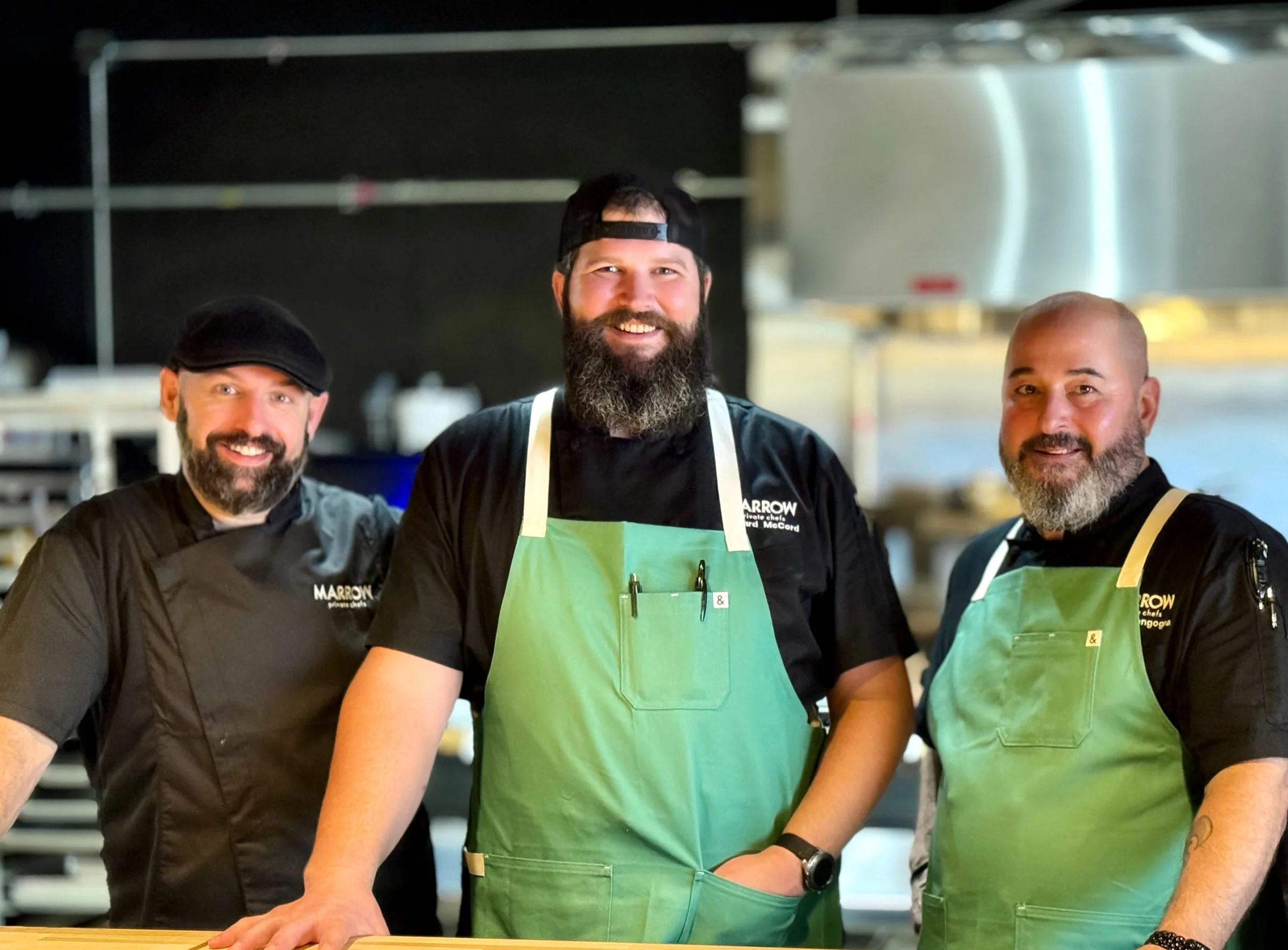
Meet the Chefs: Richard McCord, Ryan McNay, Chris Mongogna
Meet the Marrow chef-owners: Richard McCord, Ryan McNay, and Chris Mongogna. Background, philosophy, and why we built a different kind of private chef service.