What Does "In The Weeds" Mean in Restaurant Kitchens?
During a busy restaurant service, you might hear a server tell the manager "the kitchen is in the weeds." It means they're overwhelmed. Orders are backing up. Timing is slipping. The carefully orchestrated system is breaking down under volume.
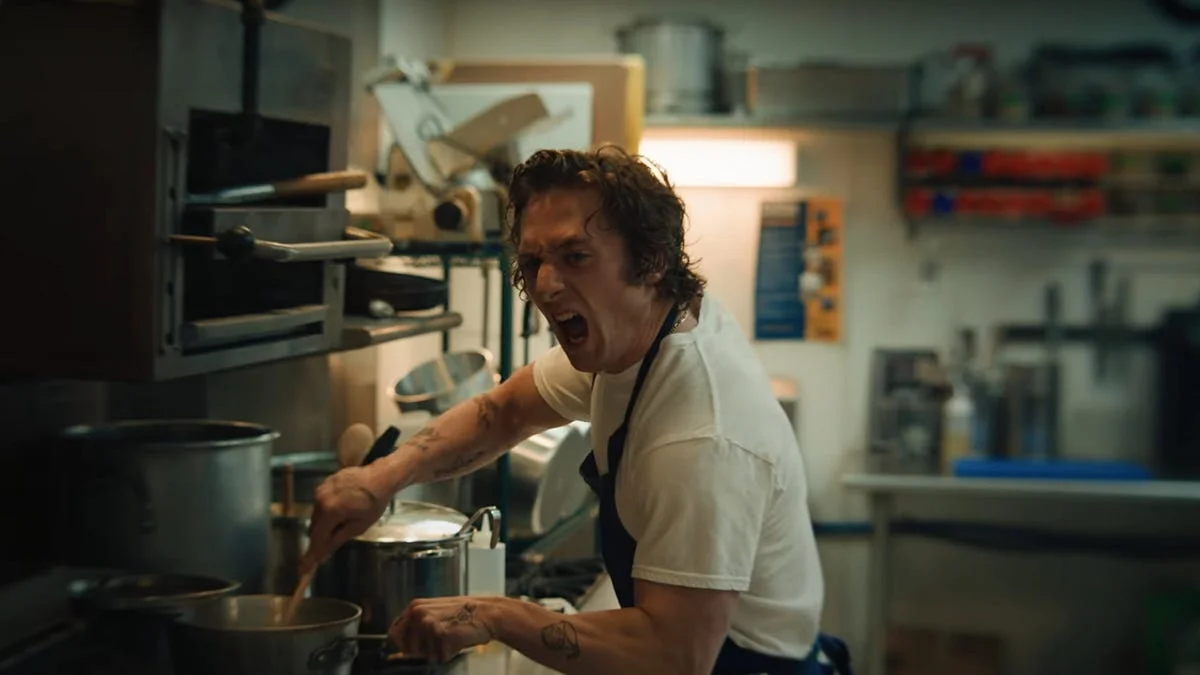
Every professional cook knows this feeling. Multiple tickets printing simultaneously. Everything needs to fire at once. You're managing twelve pans while trying to remember what still needs to plate. The organized calm of early service has given way to controlled chaos.
"In the weeds" captures this state perfectly. You're stuck, struggling to move forward, every action tangled with five other urgent tasks. The phrase is recent in kitchen language — emerging in the last few decades — but it describes an experience as old as professional cooking itself.
What It Actually Feels Like
Being in the weeds isn't about being busy. Professional cooks handle busy constantly. It's about being overwhelmed to the point where you're falling behind, and falling behind means you'll fall further behind because you can't catch up while new orders keep arriving.
The feeling is specific: you know exactly what needs to happen next, but you can't get there because three other urgent tasks are blocking you. The salmon needs to plate but the sauce isn't ready. The sauce isn't ready because you're waiting for a reduction. The reduction isn't happening because you had to handle the ribeyes that were overcooking.
Everything is urgent. Nothing can wait. And somehow you're supposed to maintain quality standards while working at a pace that feels unsustainable.
This is where mistakes happen. You overcook something. You forget a component. You plate carelessly because there's no time to be careful. The standards you normally maintain automatically require conscious effort you don't have capacity for.
How Kitchens Get There
The weeds happen when demand exceeds capacity. Not total capacity — a kitchen might be able to handle 100 covers during a shift. But instantaneous capacity is limited. If 30 tables order entrees within a ten-minute window, the kitchen gets slammed.
This is partly about volume, but timing matters more. Steady volume is manageable. Sporadic spikes create problems because professional cooking requires precise timing. You can't just cook everything and hold it. Most dishes have a narrow window between perfect and degraded.
So when orders spike, cooks get stuck waiting for items they fired early while trying to start items that just came in. The coordination breaks down. Timing becomes guesswork. "In the weeds" is what it feels like when this happens.
Why Experience Matters
Watch an experienced cook work through heavy volume and you'll notice something: they don't panic. They might be working fast, managing a dozen things simultaneously, but they're systematic about it.
Experienced cooks have worked through the weeds hundreds of times. They've developed strategies: prioritize critical timing items, communicate clearly with other stations, don't start things too early, maintain organization even when rushing.
New cooks tend to freeze or flail. They don't have the pattern recognition to know what to prioritize. They waste motion trying to do everything at once. They lose organization and make problems worse.
This is what professional training provides: not immunity to getting overwhelmed, but better tools for working through it.
After 2,500 private chef events, we've learned similar lessons. Not every event is smooth. Sometimes timing gets complicated, equipment doesn't cooperate, or conditions require quick adaptation. Experience means maintaining standards even when circumstances aren't ideal.
The Team Dynamic
"In the weeds" affects more than the cook experiencing it. When one station falls behind, it creates problems for everyone.
If the grill station is weeded and can't get proteins out, the sauté station has components ready but nothing to put them on. If garde manger (cold prep) is behind on salads, the hot line can't send entrees because courses are out of sequence.
Professional kitchens work as systems. When one part of the system struggles, others adjust: helping where possible, communicating clearly about timing, managing expectations with servers.
The worst response is everyone panicking simultaneously. The best response is systematic adjustment: identify the bottleneck, allocate resources to help, communicate clearly about revised timing.
This is where kitchen culture matters. Supportive teams work through weeds together. Dysfunctional teams turn manageable problems into disasters through poor communication and blame.
Getting Out of the Weeds
There's no single solution to being overwhelmed during service. But experienced cooks have strategies:
Stop adding to the problem. Don't start new items until you've cleared current ones. This feels counterintuitive — you want to catch up — but starting more things when you can't finish what's already going just makes it worse.
Prioritize ruthlessly. Some items have flexible timing. Others don't. Focus on what absolutely must happen now. Everything else waits.
Communicate clearly. Tell the expo honestly how long things will take. Let them manage server and guest expectations. Pretending you're fine when you're not just delays the inevitable.
Maintain organization. The temptation when weeded is to abandon your system and just react. This makes everything worse. Keep your station organized even when rushing.
Ask for help if available. In restaurant kitchens with multiple cooks, experienced colleagues can often assist with specific tasks. Let them help.
Why Some Cooks Never Get Weeded
The best cooks rarely get in the weeds. Not because they work faster, but because they see problems developing and adjust before getting overwhelmed.
They read the board (ticket display) and anticipate volume. They prep additional items when they see a rush coming. They maintain extra margin in their timing. They don't wait until they're behind to start adjusting.
This anticipation comes from experience. You learn to recognize patterns: Friday nights at 7 p.m. always spike. Large tables create timing challenges. Certain menu items slow you down more than others.
Professional cooks use this knowledge to prepare. They don't prevent being busy — that's unavoidable. They prevent being overwhelmed by anticipating and adjusting.
The Private Chef Difference
Private chef service has a different pressure profile than restaurant cooking. We're not managing multiple tables simultaneously. We're not dealing with random ticket spikes. We're executing a single menu for a specific group at a predetermined time.
This makes "in the weeds" less common, but not impossible. Equipment failures happen. Timing calculations can be wrong. Unexpected complications arise.
The difference is preparation. When we arrive at your vacation rental an hour before service, we're establishing complete mise en place and eliminating variables. By the time your first course is scheduled, everything is ready.
This preparation prevents most weeds scenarios. Not because we're immune to problems, but because we've eliminated the conditions that create them.
What It Teaches About Professional Cooking
"In the weeds" reveals something important: professional cooking isn't just about technique. It's about managing pressure, maintaining organization under stress, and executing quality standards when conditions aren't ideal.
These skills can't be learned from books. You develop them by working hundreds of services, getting overwhelmed sometimes, learning what helps and what makes it worse.
None of Marrow's three chef-owners attended culinary school. We learned by working real kitchens, including experiencing the weeds and developing strategies to handle it. This education shapes how we approach every private chef event.
The Standards That Don't Change
Here's what separates professional from amateur cooking: when you're in the weeds, you still maintain standards. The food still needs to be properly cooked, correctly seasoned, appropriately plated.
The excuse "we were slammed" doesn't fly. Guests don't care about kitchen problems. They care about their food. Professional cooking means delivering regardless of difficulty.
This is the real test. Anyone can cook well under ideal conditions. Professionals maintain standards when conditions aren't ideal.
After 2,500 events, we've internalized this expectation. Your dinner needs to be exceptional whether everything goes smoothly or we had to adapt and adjust. The standard doesn't change based on difficulty.
What Guests Never See
When we're preparing your four-course dinner, you don't see the small adjustments and timing calculations happening constantly. You don't see us managing multiple components, checking temperatures, coordinating timing across courses.
If something does go sideways and we need to adjust quickly, that happens invisibly. What you experience is courses arriving properly timed, food cooked correctly, service flowing smoothly.
This is the goal. Professional cooking means handling complexity so guests experience simplicity. Even when we're briefly in the weeds internally, you shouldn't notice.
The Language Evolution
"In the weeds" is relatively new in kitchen vocabulary — emerging over the last 30-40 years. But it filled a gap in kitchen language. The state it describes existed long before the phrase.
This shows how professional cooking creates language to address specific needs. When a feeling or situation is common enough and important enough, terminology develops to communicate it quickly.
The phrase works because it's immediate and visual. Everyone understands the image: stuck in weeds, struggling to move forward, tangled in vegetation. It captures the feeling exactly.
Why It Matters
Understanding "in the weeds" reveals the reality behind professional cooking: it's not always smooth. Even experienced cooks get overwhelmed sometimes. The difference is how you handle it.
Professional training teaches systematic approaches to managing pressure. Clear communication. Ruthless prioritization. Maintaining organization even when rushing. These skills develop through experience, not instruction.
At Marrow, we bring this experience to every private chef event. Not because we expect problems — preparation prevents most issues. But because when complications arise, we have the tools to handle them systematically while maintaining quality.
---
"In the weeds" describes a state every professional cook knows: overwhelmed, falling behind, struggling to maintain standards under pressure. The phrase is recent but the experience is universal.
What separates professionals is how they handle it. Not panic, not abandonment of standards, but systematic adjustment while maintaining quality.
After working professional kitchens and executing 2,500 private chef events, we've learned that complications are inevitable. The question isn't whether challenges arise. It's whether you maintain professional standards while addressing them.
Your dinner should feel effortless regardless of what's happening behind the scenes. That's the goal. That's professional cooking.
Ready to experience service where complications remain invisible? View our menus or get in touch to plan your dinner on the Emerald Coast.
---
Marrow Private Chefs — serving 30A, Destin, and the Emerald Coast since 2018.
Want to talk through what week works for your family?
Reach out — we respond within hours.
More from the journal
What Is "The Pass" and Why Does It Matter?
The pass is where professional kitchens enforce standards and verify quality before plates reach guests. Learn why this checkpoint enables consistency.
The Meaning Behind "Fire" and "All Day" in Professional Kitchens
Decode professional kitchen language: what "fire" and "all day" mean in restaurant service. Kitchen communication explained by Marrow chefs.
Why Do Chefs Say "Oui Chef"?
Learn why professional chefs respond with "Oui Chef" in the kitchen. The tradition behind kitchen hierarchy and communication explained.